

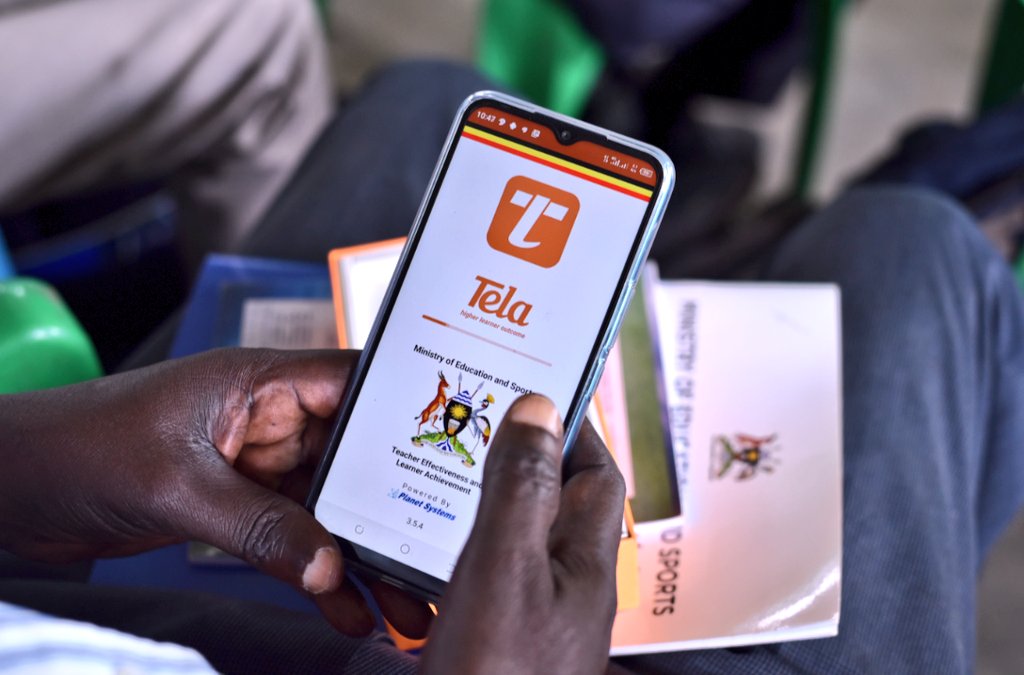
The Ministry of Education says it is making significant progress in tackling teacher absenteeism following the introduction of the digital Teacher Effectiveness and Learner Achievement (TELA) system.
According to Mary Frances Atima, director at the Directorate of Education Standards, the system—implemented over the past three years—has strengthened school monitoring and contributed to improved learning outcomes, despite partial adoption in some institutions.
The TELA system uses biometric technology, including fingerprint and facial recognition, to track teacher attendance and performance.
It has so far been rolled out in more than 14,000 government primary and secondary schools across Uganda.
Atima noted that prior to its introduction, weak monitoring systems meant learners in government primary schools were effectively receiving only four years of actual instruction instead of the expected seven.
“We have seen a big improvement in accountability and school supervision over the last three years. The system has helped us identify gaps and respond more effectively to challenges affecting learning outcomes,” she said.
However, she acknowledged ongoing challenges, including resistance from some head teachers and unreliable internet connectivity, which continue to affect full implementation.
The development comes amid growing debate within the education sector about linking teacher salaries to performance data generated by the TELA system.
Under the proposal, teachers would be required to attain at least a 95 percent performance score to receive full pay, with those falling below the threshold—without valid justification—facing possible salary reductions or dismissal.
The proposal has drawn mixed reactions from stakeholders.
Educationist Lawrence Muganga cautioned against punitive measures without addressing underlying challenges faced by teachers, particularly low pay.
“Before enforcing strict measures tied to performance systems like TELA, government must first improve teachers’ welfare, especially salaries, because motivation plays a key role in performance,” Muganga said.
Some teachers have, however, welcomed the system, saying it has streamlined their work and reduced misunderstandings with school administrators, even as concerns remain over technical and infrastructural limitations.
The government maintains that strengthening accountability through digital systems like TELA is critical to improving education quality.
A 2022 report by the Inspectorate of Government estimated that Uganda’s education sector loses up to Shs1.9 trillion annually due to corruption and teacher absenteeism in government schools.
